
The new report, Innovative models: A report on resilience in Nordic spaces for contemporary art, maps resilient strategies among exhibition spaces for contemporary art in Sweden, Finland, and Denmark.
In recent years, contemporary art organisations across the Nordic region have been operating in an increasingly uncertain environment shaped by economic pressures, political shifts, and changing funding structures. In response, Frame Contemporary Art Finland, Bildkonst Sverige, and the Danish Association of Art Centres have initiated a collaboration to explore how resilience is being developed within the field.
The report brings together experiences from Sweden, Finland, and Denmark to highlight how art institutions are adapting to the shifting conditions and rethinking their roles within society. At the same time, it provides a better understanding of the opportunities and limitations specific to each national context. The report identifies examples of innovation and sustainability in the current political, economic, and societal context that can serve as models and inspiration for others. The project also arises from the need to reinforce the Nordic tradition of a free, accessible, inclusive, and democratic cultural landscape.
Though primarily aimed at contemporary art organisations and institutions, the report offers relevant insights for those making decisions both at a political level and within the growing number of private foundations, which are becoming increasingly important as providers of support for contemporary art.
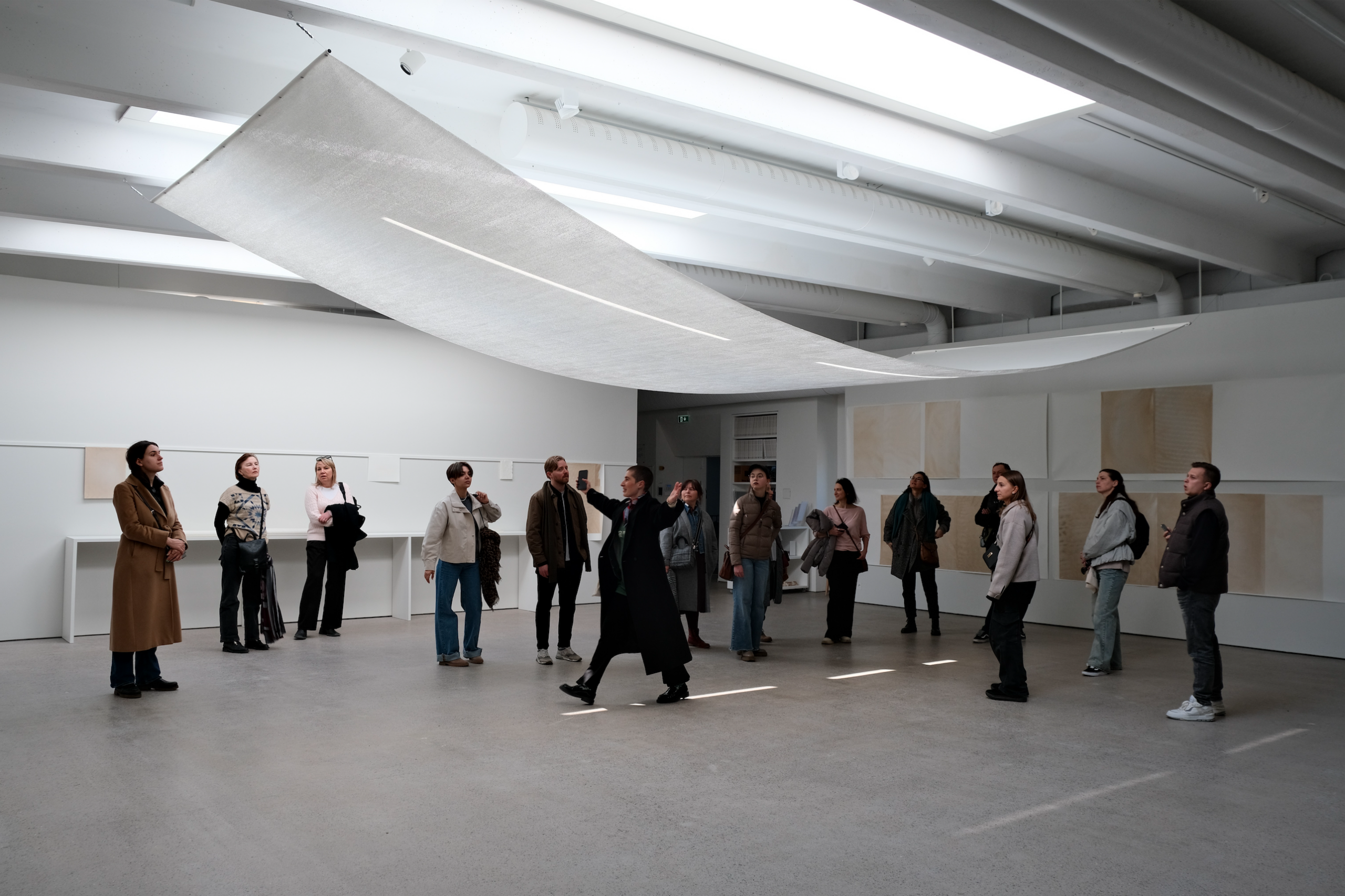
Opastettu kierros Maria Taniguchin ja Emilia Tannerin Figure-näyttelyssä taidehalli Kohtassa Helsingissä. Kuva: Mariia Averina
The report, based on qualitative interviews, introduces and examines three art organisations from each country, differing both in organisational structure and geographical location:
Vandalorum, an art and design museum in Värnamo, Southern Sweden;
Hägerstensåsens Medborgarhus, a community centre, cultural house and people’s house in the South-western part of Stockholm, Sweden;
Ifö Center, a non-profit association dedicated to fostering a free, robust and diverse contemporary arts and cultural landscape in Southern Sweden;
Kohta, a private kunsthalle in the Kalasatama (Fish Harbour) area in Helsinki, Finland;
KUBU – Kulturhus Björkboda, a cultural house on Kimitoön island, Southwest Finland, with a year-round exhibition programme;
IHME Helsinki, which produces a new artwork for public space annually in Helsinki. IHME Helsinki, founded in 2009 as IHME Contemporary Art Festival, announced in August 2026 that it will cease its operations in 2026;
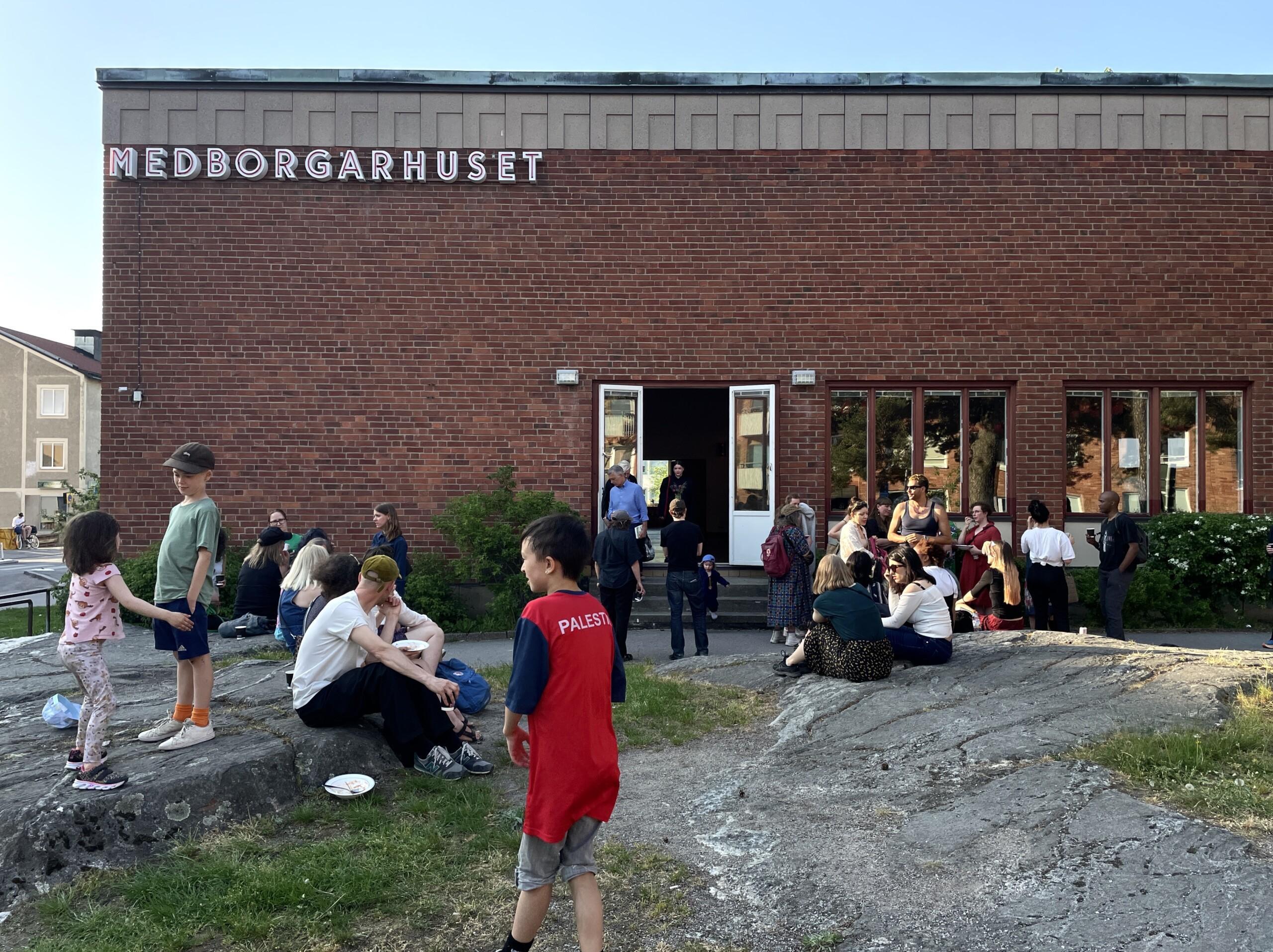
Hägerstensåsens Medborgarhus, a community centre, cultural house and people’s house in the South-western part of Stockholm, Sweden.
Deep Forest Art Land, a forest area in Central Jutland, Denmark, featuring approximately 80 sculptures and works of contemporary art integrated into the natural environment;
Simian, an independent art space (kunsthalle) located in Ørestad, a newly developed urban district in Copenhagen, Denmark;
Rønnebæksholm Art Centre, a municipal exhibition space (kunsthal) and former manor estate with historic buildings, gardens and a park in South Zealand, Denmark.
The report is initiated by Bildkonst Sverige, Frame Contemporary Art Finland, and the Danish Association of Art Centres, supported by the Nordic Culture Fund, and executed by art historian and curator Anette Østerby.
More information:
Arvid van der Rijt, Senior Advisor for International Networks
arvid.vanderrijt@frame-finland.fi
T. +358 50 4717711
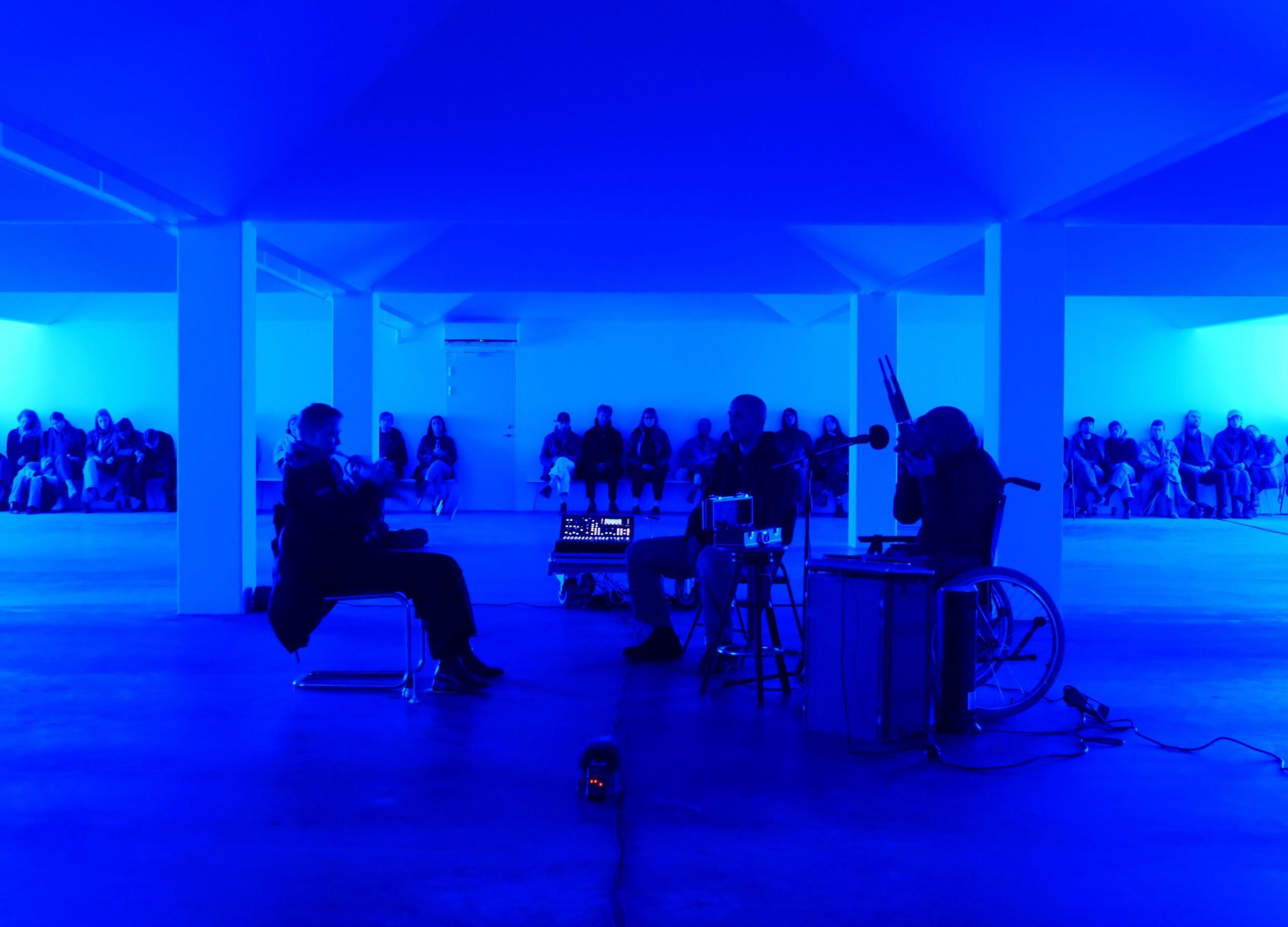
Catherine Christer Hennix with Ellen Arkbro and Marcus Pal performing at Simian, Copenhagen.